
Skip to content

Sermons

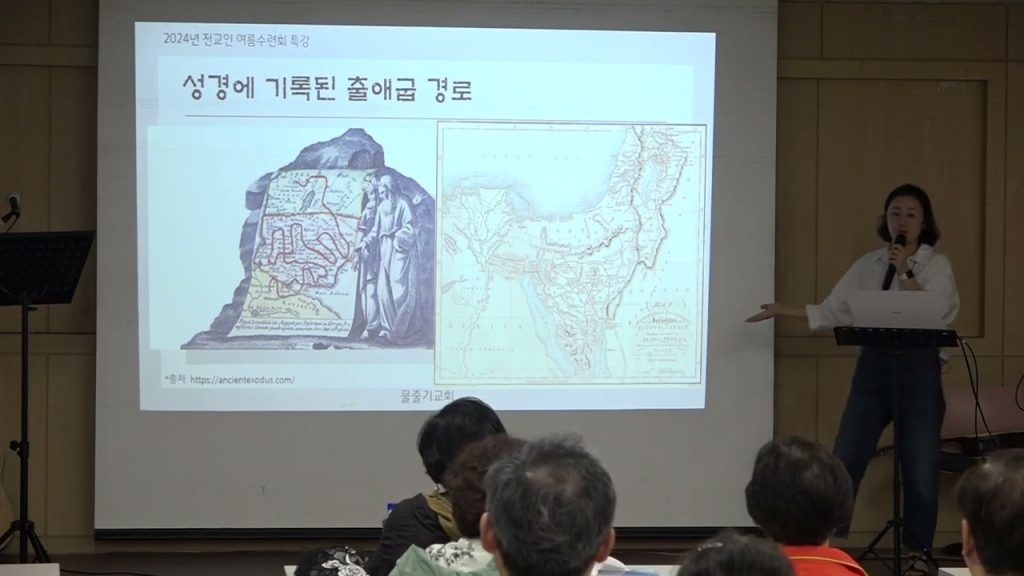
The Miracle of the Red Sea and the Location of the Real Mount Sinai

The Miracle of the Red Sea and the Location of the Real Mount Sinai

This passage points out the geographical and biblical contradictions in the traditionally held view that the Exodus route passed through the Sinai Peninsula and the Gulf of Suez. Considering the meaning of the Hebrew word translated as Red Sea and the size of the sea the Bible describes, it argues that the Gulf of Aqaba fits better than the shallow lakes of the Nile Delta or the traditional Sinai Peninsula route. It also explains that the coastal terrain at Nuweiba on the Gulf of Aqaba matches the biblical record remarkably, and that archaeological clues support this.

It likewise proposes that Mount Sinai is likely not the traditional Mount Sinai but Jabal al-Lawz in the Arabian Peninsula. This mountain meets many of the conditions the Bible requires, such as the boundary around the mountain, traces of an altar, flowing water and a cave, and its name's meaning and topographical features are seen as connected with the events of the Exodus. This geographical re-examination goes beyond simply finding a location; it is an attempt to confirm the reality of the place where God worked.

While presenting a great deal of archaeological evidence and geographical analysis, the sermon emphasizes that in the end human knowledge and logic cannot fully replace faith. It leads us to reflect on whether the evidence God has given leads us to faith, or instead exposes our own ego. Under the word that those who have not seen and have believed are blessed, with what attitude are we receiving this word?
Pastor Lee Ji-hyun · Jul 27, 2024
Believers Who Keep the Good King’s Command
Ecclesiastes, Part 15Ecclesiastes 8:1-8

Believers Who Keep the Good King’s Command

Through the life and wisdom of King Solomon, this passage deals with how believers should live between the powers of the world and God's commands. It contrasts the time when Solomon oppressed the people because of his pride with the time after he recognized his own weakness and turned into a good king who obeyed God. It also sheds light on the attitude of people of faith through Obadiah's faithfulness in hiding and saving God's prophets amid Jezebel's persecution, and through Stephen, who kept his peace even as he was martyred.

The sermon emphasizes that believers keep the moral laws of the world and submit to authority as a strategic choice for spreading the gospel. But it points out that this must not be a mere strategy for survival; it must be a natural obedience that flows from their identity as people who have God as their King. In particular, noting that believers' faces shine when they obey the Word and grow dark when they stray from it, it urges them to examine their inner spiritual state. It also speaks of the need to understand the grace of God, who waits, not through force but through a personal relationship, for believers to devote themselves of their own accord.

Finally, it reminds us that human beings are weak, unable to know what is to come or to control their own life or the time of their death. Only when we acknowledge these limits can we become truly wise, and we come to realize that keeping God's good commands is, in the end, the way that saves believers. The reader is led to look back on whether their life is lived for the praise of the world, or is a life of obedience that fears God.

Pastor Cho Chun-sook · Jul 21, 2024
The Ignorance of Those Who Cast Aside God’s Wisdom
Ecclesiastes, Part 14Ecclesiastes 7:19-29

The Ignorance of Those Who Cast Aside God’s Wisdom

This passage sheds light on how the wisdom of God that Solomon enjoyed early on gradually disappeared because of his own pride and lust. It shows how he, who at first governed the people with wisdom greater than that of ten rulers in a city and gave off a holy fragrance, became intoxicated with people's praise, mistook God's grace for his own righteousness, and fell into corruption. Where wisdom was lost, pride and sexual immorality filled the space, and in the end he was caught in Satan's snare and came to regret having lived an empty life.

Through Solomon's failure, the sermon asks what believers should hold on to as they live. It warns that when we do not let go of human righteousness and insist that our own judgment is right, it can lead to a foolish decision like Eve's eating of the fruit of the knowledge of good and evil. It also points to situations in which we react too sensitively to what people say, or let others' slander capture our hearts until the foundation of our faith is shaken, and reminds us that true wisdom comes from God.

Believers must break free from the temptations of the world and from human righteousness, and carry the fragrance of Christ. The sermon asks the reader to reflect on whether they are guarding God's wisdom in their life, or have fallen for Satan's schemes and been caught in his snare.

Pastor Cho Chun-sook · Jul 14, 2024
Are You Wise or Foolish?
Ecclesiastes, Part 13Ecclesiastes 7:8-18

Are You Wise or Foolish?

This passage sets out the standard that divides the wise from the foolish among believers, and points out that longing for past glory or complaining about present hardship is folly. God has set the day of prosperity side by side with the day of adversity so that people cannot find out what is to come, which shows that sovereignty over life belongs to God. Believers must obey God's righteous judgment rather than boast of their own righteousness or wisdom, and must guard against the pride of being overly righteous or acting overly wise.

The sermon warns that human righteousness in the end brings ruin, and makes clear that exalting oneself by the world's measure is an act that brings God low. Believers must acknowledge their weakness and live with honest faith, cutting off the sprouts of sin and fending off Satan's attacks. So as not to walk the path of the fool who may die before the time God has set, they must judge carefully with the wisdom of Christ and devote themselves to the salvation of souls.

The sermon asks whether believers boast of their own righteousness, or judge the world's problems with God's wisdom and devote themselves. It reminds us that if our human righteousness is not revealing the Lord's righteousness, it is something that must be cast away. When believers meet problems, they must discern why God has given them this situation, and seek not human wisdom but the wisdom of God.

Pastor Cho Chun-sook · Jul 7, 2024
The Work of God and the Work of Man
1 Kings, Part 8

The Work of God and the Work of Man

Through the ‘sandwich technique’, in which a short record of Solomon's palace construction appears in the middle of the account of his building the temple, this passage deals with where our priorities should lie, between God's work and the work of the world. That the palace, which was larger than the temple and took longer to build, is recorded relatively briefly in the Bible shows that the center must be not human achievement but God's history of redemption.

Through the meaning and use of the temple furnishings, such as the bronze pillars and the bronze sea made by the Gentile craftsman Hiram, it also explains how believers must stand before God with a heart of purity and sacrifice. The pillars set up at the entrance of the temple lead us to confess that it was established not by human strength but by God's power, and the rite of washing with water symbolizes the process of repenting of sin and coming to God.

As the temple where God dwells, we look back on how we are building and tending our own lives. When our small lives are set within God's long history, by what name do we want to be recorded, and how should we live?

Pastor Lee Ji-hyun · Jun 30, 2024
Through Christ, Who Strengthens Me
Philippians, Part 9

Through Christ, Who Strengthens Me

This passage deals with Moses leading the people of Israel as he confronted Pharaoh of Egypt, and with the lessons the apostle Paul conveys in his letter to the believers of the church in Philippi. Moses passed the outward test of fighting Pharaoh, who held absolute power, but he fell in the inward test of his own people's greed, as they took the miracles God gave for granted and complained, and of their ungrateful attitude. In particular, his love and sense of responsibility for the people clouded his judgment, leading to the tragic result that he could not enter the promised land.

Through Moses' failure, the sermon points out the deep tests that leaders and parents face. It warns that the most dangerous time after receiving God's grace is when our self-regard rises and our emotions are shaken by the weaknesses of others. The apostle Paul, even in such situations, set an example by being content whatever his circumstances and focusing on spreading the gospel. He suffered because of the quarrels among the believers, but he controlled his emotions and exhorted them solely for their restoration and for God's will. Paul longed earnestly for the believers to recover, beyond material help, their first love and a heart of obedience, and this shows that true maturity is possible when emotion and faith are brought together as one.

The sermon asks how believers should receive God's grace by faith, and how they should take on an attitude of controlling their emotions and obeying in the face of others' weaknesses. It also leads us to consider what power and peace God gives when we carry out our mission with unchanging faith.

Pastor Cho Chun-sook · Jun 28, 2024
The God Who Fulfills
1 Kings, Part 7

The God Who Fulfills

This passage covers the historic scene in which Solomon begins building the temple 480 years after the people of Israel came out of Egypt. The change in the place of God's presence, from the tabernacle to the temple, is not simply the expansion of a building; it shows the faithfulness of God, who quietly fulfilled his covenant over nearly 500 years.

The structure and building process of the temple faithfully reflect the design and pattern God set, which emphasizes that it was not something humans made as they pleased. God values the obedience practiced within the temple and the attitude of keeping his statutes more than the temple building itself, and reveals that the temple is a place that keeps peace and quiet. This true meaning of the temple is completed through Jesus Christ, and in the end it reminds believers that they themselves are the temple in which God's Holy Spirit dwells.

Through this long history, we confirm that God's promises are never broken but are surely fulfilled. How, then, can we guard in our lives the center of peace and presence that God has set, and respond with obedience that stays unchanged to the end?

Pastor Lee Ji-hyun · Jun 16, 2024
A Good Name Is Better Than Fine Perfume
Ecclesiastes, Part 12Ecclesiastes 7:1-7

A Good Name Is Better Than Fine Perfume

Through the fall of the walls of Jericho by Joshua's obedience, this passage explains the principle by which God's name receives glory. When people of faith obey, the world comes to remember their names, and at that point believers must humbly give the glory to God. A name is not merely a label; it is an important marker that speaks for a person's faith, character and the years they have lived through.

It also says that the word that the house of mourning is better than the house of feasting leads us, through the end that is death, to realize the finitude and truth of life. Worldly pleasure lasts only for a moment, but a life of self-examination in preparation for death is a wise attitude that hopes for the eternal kingdom of heaven. Believers should be able, even amid hardship and sorrow, to discern the emptiness of the world and to mourn for the salvation of souls.

Finally, it warns that greed and bribes make the wise foolish and destroy understanding. Because one wrong choice can bring down a faith built up over a lifetime, believers must in every situation think deeply about how God would judge, and live honest lives. This sermon, which says that a life that exalts God's name rather than worldly honor brings true glory, leads the reader to reflect on how their own name will be recorded.

Pastor Cho Chun-sook · Jun 9, 2024
Think the Same Way in the Lord
Philippians, Part 8

Think the Same Way in the Lord

Through the apostle John's experience of seeing with his own eyes Christ seated on the throne and the book of life, this passage emphasizes that God's justice and judgment are real. John had only vaguely believed in Jesus' cross and resurrection, without any deep understanding of his return and judgment, but on facing the glory of the throne he saw clearly his own sin and ignorance. God records every human word and deed, one by one, in the books, and declares that he will judge by them.

The sermon points to the situation in the church in Philippi, where Euodia and Syntyche quarreled, unable to think the same way in the Lord, and makes clear that conflict in the church arises from a clash between human pride and God's authority. Rather than insisting on their own opinions and ways, believers must obey Christ's commands and show one another gentleness and give way to one another. Because quarrels in the church are a sin that makes souls stumble and divides the church, believers must hold down their tempers and entrust all their worries to the Holy Spirit.

God delights in believers who live with steadfast faith and just lives, and he examines their lives just as he examines the life of the world. Believers should have wisdom and live honestly in the world, but within the church they should humbly choose the lower place and seek harmony. The sermon warns believers to remember the day they will stand before the throne, since the small quarrels of today can bring eternal loss. Can believers enjoy God's peace by forgiving and building up one another, and live without shame as members of the body of Christ?

Pastor Cho Chun-sook · Jun 2, 2024
Those Who Cannot Even Enjoy the Grace They Have Received
Ecclesiastes, Part 11Ecclesiastes 6:1-12

Those Who Cannot Even Enjoy the Grace They Have Received

This passage covers King Uzziah, to whom the almighty God gave wealth and power, but who was corrupted by pride, ignored the priests' counsel, tried to burn incense himself, was struck with leprosy, and came to a miserable end. It explains that God did not reject him from the start, but that his own choice broke the relationship and caused him to be stripped of every blessing.

The sermon points out the human weakness of abandoning God and going back to the world as soon as difficulties are resolved. When we are not poor in spirit and boast of our own ability and wisdom, that is evidence that we have become servants of Satan, and it leads in the end to the road of ruin. Believers must not make the world's recognition their measure of worth, but must be thankful for the grace given them and persevere.

The sermon warns that a life that does not hope for the eternal kingdom, and whose heart is captured by the lust of the flesh and the pride of life, ends in the end in emptiness. It asks whether we will choose true wisdom, a life of bearing the fruit of the Spirit and preparing as citizens of the kingdom of heaven, or the folly of losing our souls, swallowed up by worldly success.

Pastor Cho Chun-sook · May 26, 2024
Worship That Serves One Another

Worship That Serves One Another

This sermon begins by appreciating the order of God's creation through the natural scenery of the outdoor service and the changing of the seasons. Drawing on the Greek roots of the word, it explains that the essence of worship is not simply the act of bowing down, but carries two meanings that include serving and ministry. It emphasizes that worship is true when adoring God and believers serving one another are not separated but in harmony.

Comparing the peace offering of the Old Testament with the Lord's Supper in the New Testament, it shows that both hold together the restoration of our relationship with God and fellowship among believers. In particular, it points out that the Lord's Supper is not a mere ritual but a community of sacrifice in which believers remember Christ's death, wait for his return, and share with one another. While acknowledging that conflicts can arise in the church, it urges that believers are people who must lay down their own interests and work together.

It says that serving always involves sacrifice, and that in this process we must not be overcome by evil but overcome evil with good. It leads us to look back on whether our service comes from a sincere heart rather than a desire for reward, and makes clear that love for our neighbors is the result of salvation. The sermon presents a life in which worship toward God and service toward our neighbors are woven into one as living worship. It asks how believers should fill their lives on this earth through a worship of sacrifice that offers their whole selves, and how they should devote themselves to one another.

Pastor Lee Ji-hyun · May 19, 2024
Believers Who Cast Their Heavy Burdens on the Lord
Ecclesiastes, Part 10Ecclesiastes 5:10-20

Believers Who Cast Their Heavy Burdens on the Lord

Drawing on the wisdom Solomon gained from having enjoyed both wealth and power, this passage warns that covetousness in the end comes back as vanity. Through a folktale about brothers who found a lump of gold and kept the peace between them by boldly throwing away the source of the greed that could have harmed their relationship, it shows that the greater danger is not material things themselves but the way the human heart changes because of them. It also recalls the truth that we come naked from our mother's womb and can take nothing with us, and emphasizes that what matters is how we use the unrighteous wealth of this present world for the life after death.

The sermon warns that being thankful for the work of the Holy Spirit and then, as time passes, turning one's heart and complaining can become the grave sin of blaspheming the Holy Spirit. Even after a lifetime of church life and experiencing grace, an attitude of relying more on the things of the world or mocking God's work can plunge a person into a dangerous state in which they can no longer repent. Therefore, it teaches that when hardship and trials come, we need the wisdom not to see them only as a typhoon that shakes our roots, but to cast our heavy burdens on Jesus Christ, give thanks, and endure by faith.

With what attitude must believers face hardship in order to give thanks in all things and enjoy the joy of their hearts?

Pastor Cho Chun-sook · May 12, 2024