
Skip to content

Sermons

Naboth’s Death and Ahab’s Repentance
1 Kings, Part 261 Kings 21:25-29

Naboth’s Death and Ahab’s Repentance

Today's passage deals with the event in which King Ahab, wanting to take Naboth's vineyard, drives Naboth to his death by following the scheme of his wife Jezebel. Frustrated by the refusal of Naboth, who keeps God's law, Ahab sulks like a child, and Jezebel, seeing this, uses the king's power to have Naboth falsely accused and executed. In the process Naboth's faithfulness is disregarded, and power and greed combine to bring about the unjust death of a righteous man.

Ahab, so easily swayed by Jezebel's urging, shows that sin does not work alone but bears fruit when it combines with the temptations and circumstances around us. But when Ahab receives the message of judgment through the prophet Elijah, he repents in deep humility, tearing his clothes and putting on sackcloth. Seeing this, God postpones the disaster he was about to bring until the days of Ahab's son. This means that God shows abundant mercy and does not turn away from those who repent, but at the same time it suggests that Ahab did not bear the fruit of true repentance, namely restoring Naboth's good name and returning his property.

The reason Ahab's brief humility could not fully remove the consequences of his sin is that he did not turn completely away from his repeated sins. When we do not seize the opportunity God gives and truly repent, sin carries on through the generations and ends in destruction. How should we live so that we do not grow numb to sin and do not miss the opportunities we are given?
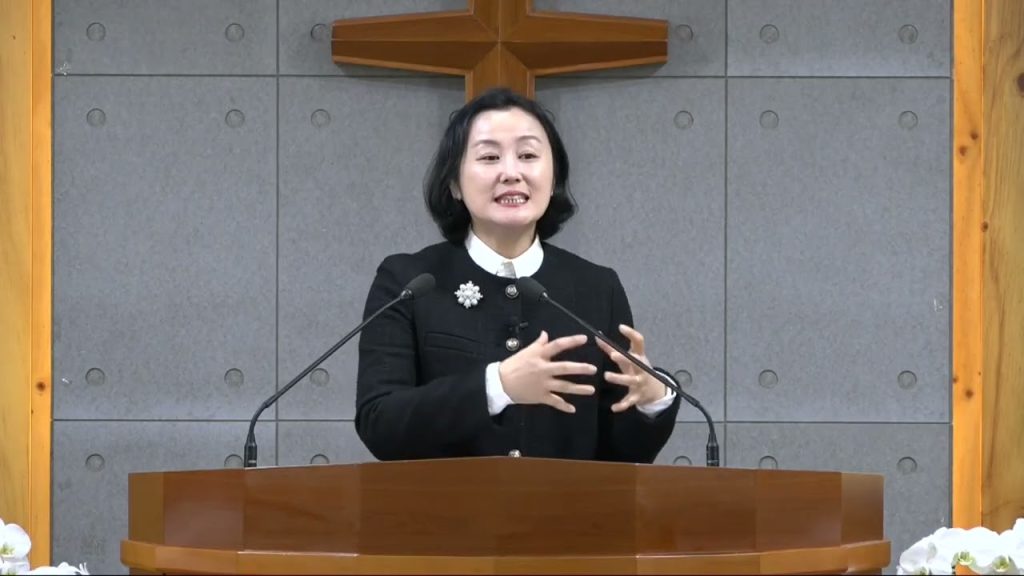
Pastor Lee Ji-hyun · May 11, 2025
The Judgment on Edom, Who Hated His Brother
Obadiah

The Judgment on Edom, Who Hated His Brother

This passage deals with the sin of Edom, which betrayed its brother Israel and stood by and rejoiced at the destruction of Judah, and with the judgment of God that followed. Edom grew proud because of its geographical advantage, and instead of helping its brother in distress it responded with plunder and slaughter, testing God's patience. God warned that their disregard for brotherly love would in the end come back upon themselves, and that prophecy was fulfilled exactly in history.

The sermon stresses that Edom's downfall was not simply a national defeat but a righteous judgment on those who cast aside grace and hated their brother. It reminds us that human beings may boast in their own strength or position and grow proud, but that God alone gives all these things and takes them away. It also shows how greatly God's wrath is stirred by an attitude that stands by at a brother's suffering, or even does him harm.

Believers must not be shaken by worldly power or changing circumstances, but live good lives directed toward God alone. This sermon, which helps us realise that helping a brother in difficulty is itself worship offered to God, asks what we should hold on to as we live.

Pastor Cho Chun-sook · May 4, 2025
The Result of Your Own Decision
1 Kings, Part 251 Kings 20:35-42

The Result of Your Own Decision

Today's passage shows how God gives the disobedient King Ahab of Israel another chance. At first Ahab behaved servilely in the face of the provocations of Ben Hadad, king of Aram, but in the end he won a victory through God's work. Yet rather than giving glory to God through this victory, Ahab put political gain first and turned away from God's will.

Afterwards God pointed out Ahab's sin through a prophet and pronounced judgment. The prophet appeared before Ahab in disguise and described the situation of a man who had lost a prisoner, and Ahab judged that since the man had decided it himself, he must bear the responsibility. But this judgment carried within it the message of the judgment that would soon come back upon Ahab himself. Ahab showed the contradictory attitude of being numb to his own sin while reacting sharply to the sins of others.

Looking at Ahab, we may click our tongues and shake our heads. But we need to look back on whether we are still using God's grace as a tool for worldly gain. We need to ask ourselves whether, faced with the words of warning God has given, we merely feel troubled and frustrated without going on to true repentance and turning back.

Pastor Lee Ji-hyun · Apr 27, 2025
Believers Who Have Met the Risen Christ [Easter]
MatthewMatthew 11:26-30

Believers Who Have Met the Risen Christ [Easter]

This passage deals with the scene of the Last Supper that Jesus shared with his disciples before bearing the cross. In particular, it reveals human limits through Judas Iscariot leaving the table to betray Jesus, and through the disciples afterwards leaving Jesus because of their own weakness and betrayal. Though Jesus knew that all the disciples would stumble, he prays for them and shows a loving heart that understands their weakness.

The sermon finds in these disciples a picture of believers today, and emphasises that even when we want to give up amid suffering and hardship, God gives believers strength and courage. It also warns that attitudes that stir up complaint and quarrels in the church or hinder God's work can lead in the end to spiritual judgment. On the other hand, it says that to believers who devote themselves wholeheartedly and keep the faith, God promises not only long life and riches but blessing in the eternal kingdom.

It leads us to think about what attitude believers should take so that they do not fear in the world and do not lose hope to the end, and what choice they must make in order to meet the risen Christ and enjoy true peace.

Pastor Cho Chun-sook · Apr 20, 2025
Hosanna for What? (Palm Sunday)
MarkMark 11:1-10

Hosanna for What? (Palm Sunday)

On Palm Sunday, today's passage deals with the scene of Jesus entering Jerusalem riding on a donkey. At the time the crowds spread their cloaks on the road, waved palm branches, and cried out ‘Hosanna.’ This word was not simply praise but an earnest plea meaning ‘Please save us,’ yet the salvation they hoped for was to escape Roman oppression and gain worldly power. By contrast, the salvation Jesus truly brought was to give life to souls by dealing with human sin and separation from God.

The sermon points to the gap between the crowd's expectations and Jesus' mission, and asks whether we today are repeating a similar mistake. We live paying more attention to success and prosperity on this earth than to the salvation of our souls, which God wants to give us. Pointing out a situation in which thanksgiving and life are separated, so that God's grace has no effect on our actual lives, it urges us to hold up a mirror and see how far our thinking and outlook have drifted from God.

We must follow the path of humility and obedience that Jesus walked to bear the cross. Yet we still want high positions and try to live chasing the satisfaction of the flesh. When we realise that our hearts toward God can change as easily as turning over a hand, what choice will we make?

Pastor Lee Ji-hyun · Apr 13, 2025
Words Like Nails Well Fastened
Ecclesiastes, Part 23Ecclesiastes 12:1-14

Words Like Nails Well Fastened

In this passage Solomon, having come to see the vanity of life through his own regretful life, warns how we should live so that in old age we will not regret time we can never get back. Reflecting on a past in which he craved power and pleasure, he emphasises that in the face of death everything is meaningless. He also reminds us that keeping the law God has established is essential for kings and priests alike.

Seeing people laughing and chattering in bars late at night, the preacher questions whether they are aware of the judgment after death. Even amid the world's changes and conflicts, God's law does not change, and if we do not acknowledge it, our state after death cannot help but be different. Believers must not forget that the people of the world are the ones to be saved, and must set an example with the wisdom of the Holy Spirit; if they do not keep the faith, they lose their direction like a sunken ship.

It also points out the attitude of treating church like a hobby or caring only about the kingdom of heaven, and makes clear that true faith is bound up with the eternal life gained through Christ. Through the martyrdom of Stephen, it emphasises the importance of those who proclaim the gospel and of a love that forgives even in persecution. Finally, the reader is asked how to use this very moment so as not to regret it in old age, and whether they truly believe that God is the Judge.

Pastor Cho Chun-sook · Apr 6, 2025
Bread Cast on the Waters
Ecclesiastes, Part 22Ecclesiastes 11:1-10

Bread Cast on the Waters

This passage deals with the mission of bringing the truth of life to souls who are in darkness. Every life, heading toward death from the moment of birth, is precious, but because of our sinful nature we can be saved only by receiving Christ. So believers who have been called have the responsibility to save souls by proclaiming the gospel, and this is an important mission God has entrusted to them.

The sermon compares proclaiming the gospel to casting bread on the waters or sowing seed. The world is full of darkness and sin, but when believers boldly proclaim Jesus, who is life, those who have ears will hear. The importance of choice and effort is also emphasised: believers must work diligently morning and evening and take responsibility for the path they have chosen. God helps believers in their struggles and efforts, and since the salvation of souls belongs wholly to God's sovereignty, we must keep proclaiming steadily without being discouraged or giving up.

Noah, who in his day believed that judgment would come and built the ark, is an example for believers. Knowing that the world is full of sin and that judgment is near, believers must still share their wealth, proclaim the truth, and live good lives. Those who follow Christ, the light, come out of darkness, but those who refuse remain in darkness. Only by enjoying the days of our youth without forgetting God, and by making right judgments, can we live a life without regret.

The sermon asks whether we have sown the seed of the Word that God has entrusted to us in people's hearts, and how that seed is growing.

Pastor Cho Chun-sook · Mar 30, 2025
God’s Comfort
1 Kings, Part 241 Kings 19:11-18

God’s Comfort

This passage deals with the prophet Elijah, who, after winning a great victory on Mount Carmel, fled in fear at Jezebel's threat. When Elijah, in despair, asks even before God to die, God does not rebuke him but gives him bread and water and comforts him as if gently touching him. This is the love of God, who recognises that however great our faith, human beings are weak and can stumble.

The sermon points out how we often expect from God only supernatural miracles or outward works. Elijah waited for the wind, the earthquake, and the fire, but God came in a still small voice. This shows that God is not one who reveals himself through power that startles us, but one who is with us in the depths of our hearts and conveys deep love and grace. It also reminds us that even in the loneliness of feeling that we carry our mission alone, there are many unseen fellow workers whom God protects.

When we sense God's careful guidance and listen for his still small voice, we can lay down our fear. When we see the fellow workers in faith God has placed beside us, feel the love of Christ who intercedes for us, and set out on our way toward the kingdom of heaven, can we remain humble and not proud, whatever mission he entrusts to us?

Pastor Lee Ji-hyun · Mar 23, 2025
The Wise and the Fool
Ecclesiastes, Part 21Ecclesiastes 10:12-20

The Wise and the Fool

This passage contrasts the wise and the fool, and shows that human choice determines whether God's planned grace becomes a path to enjoying blessing or turns into a curse. Abraham's obedience in offering Isaac shows the attitude of the wise, who receive grace rightly even though God's will had already been prepared. By contrast, the rich man, boasting in his wealth and his outward show of faith and ignoring his neighbour, is the picture of the fool, and in the end he meets spiritual ruin.

The sermon emphasises that believers must have an obedient heart that is thankful for the grace of Jesus' atonement on the cross, rather than trusting in their own merits with a proud heart. Satan and the world focus only on what is seen and cannot understand God's invisible kingdom, but the wise humble themselves, obey God's word, and keep the faith to the end. It also warns that complaints in the heart or secretly cursing others cannot be hidden from God, and urges us not to be lazy and not to neglect examining our faith.

What should believers hold on to as they live, in order to stand as wise people who place Christ at the centre of their lives and make right judgments every day?

Pastor Cho Chun-sook · Mar 16, 2025
The Final Victor
1 Kings, Part 231 Kings 18:36-40

The Final Victor

This passage deals with the scene of Elijah's confrontation with the prophets of Baal on Mount Carmel. King Ahab blames Elijah for the drought and opposes God, but Elijah urges the people, who waver between God and idols, to follow the true God. The people show a lukewarm attitude, serving God and Baal at the same time, but Elijah prays to God alone.

The sermon points out that Baal worship is not simply an idolatrous ritual but the world's values, which pursue material abundance and success. It emphasises that God gave human beings authority to rule over all things, but that true blessing comes when we keep within its boundaries and obey God. Satan uses human desires to make us torn between God and idols, but God is helping his children keep the faith to the end.

The sermon asks whether we will choose God decisively, without wavering between God and idols, that is, between God and the world's gain.

Pastor Lee Ji-hyun · Mar 9, 2025
The Obedience and Faith of the Widow of Zarephath
1 Kings, Part 221 Kings 17:15-24

The Obedience and Faith of the Widow of Zarephath

This passage follows the footsteps of the prophet Elijah as he carries out his mission for God amid the extreme crisis of drought and famine. In particular, God leads Elijah, who had taken refuge in a barren place, to a poor widow in the land of Sidon, the centre of idol worship, and commands her to share the last food she has. In a hopeless situation with nothing visible to rely on, the widow obeyed God's word and fed the prophet, and as a result her food did not run out, and she gained the hope that she and her son could live.

But when tragedy struck at the height of her blessing and even her only son died, she fell into deep despair and resentment. Through this suffering God leads her a step further, beyond a faith content with the world's material blessings, into a true faith that trusts wholly in God, the Lord of life. Having seen her son raised to life, the widow at last confesses that the word Elijah spoke is true, and comes to understand how God rescues a soul and establishes it even in her weakness.

In what situation are we trusting God right now? We are led to look back on whether we live resenting our suffering, buried in the world's standards and our own feelings, or whether we obey, looking to the hand of God, who leads us through that suffering to grow into deeper faith.

Pastor Lee Ji-hyun · Feb 16, 2025
The Birth of a Wicked King
1 Kings, Part 211 Kings 16:29-34

The Birth of a Wicked King

This passage covers the history of the kings of northern Israel from Jeroboam up to Ahab. With kings such as Nadab, Baasha, Zimri, and Omri replaced after short reigns, a history of extreme instability and conspiracy repeats itself, in contrast with King Asa of southern Judah. In particular, Omri and his son Ahab, though they had political stability and military ability, chose the way of idolatry and disregard for God's law, and grew more and more wicked.

Even in this dark history, the prophet Hanani and his son Jehu carried out the mission of proclaiming God's truth, which transcends the ages. They rebuked the wicked kings and kept the faith to the end, and God remembers their faithfulness. On the other hand, the case of Hiel, who rebuilt the city of Jericho despite Joshua's warning, shows that God's word is unfailingly fulfilled. When a leader's faith is not upright, the foundations of the nation crumble and the people rush down the road of spiritual corruption.

The world is growing darker as it moves toward the end times, but we must choose whether to yield to the world's current or to rely on God alone. Drawing on the lessons of history already given to us, with what attitude can we carry out our mission to the end and pass faith on to our children?

Pastor Lee Ji-hyun · Feb 9, 2025