
Skip to content

Sermons

The Miracle of Ephphatha [Thanksgiving]
MarkMark 7:32-35

The Miracle of Ephphatha [Thanksgiving]

Today's passage is the scene in which people bring to Jesus a man who was deaf and could hardly speak, and beg him to heal him. Jesus took the man aside, away from the crowd, put his fingers into his ears, spat and touched his tongue, and then, looking up to heaven, sighed and commanded, 'Ephphatha', that is, be opened. At that moment the man's ears were opened and his tongue was released so that he spoke plainly, and a miracle took place.

This miracle goes beyond simply healing a physical illness, showing that only when our spiritual eyes and ears are opened can we recognize the Messiah and proclaim the word of truth. People wanted only to see miracles and did not hear the word, so they failed to recognize Jesus, and Jesus sighed as he saw their foolishness. Only when we become believers who follow the leading of the Holy Spirit, deny ourselves, and take up the cross can we understand God's will and carry out the mission of saving souls. And because we know the power of the tongue, we must live lives that build up the church and bring life to our neighbors through good words and wise judgment.

If God has called us out of darkness into light and given us ears to hear and eyes to see, what should we now choose? We are led to look back on whether we are living with our spiritual ears closed, swept along by the noise and judgments of the world, and whether, as those who have experienced the miracle of Ephphatha, we are living lives that proclaim the word of truth.
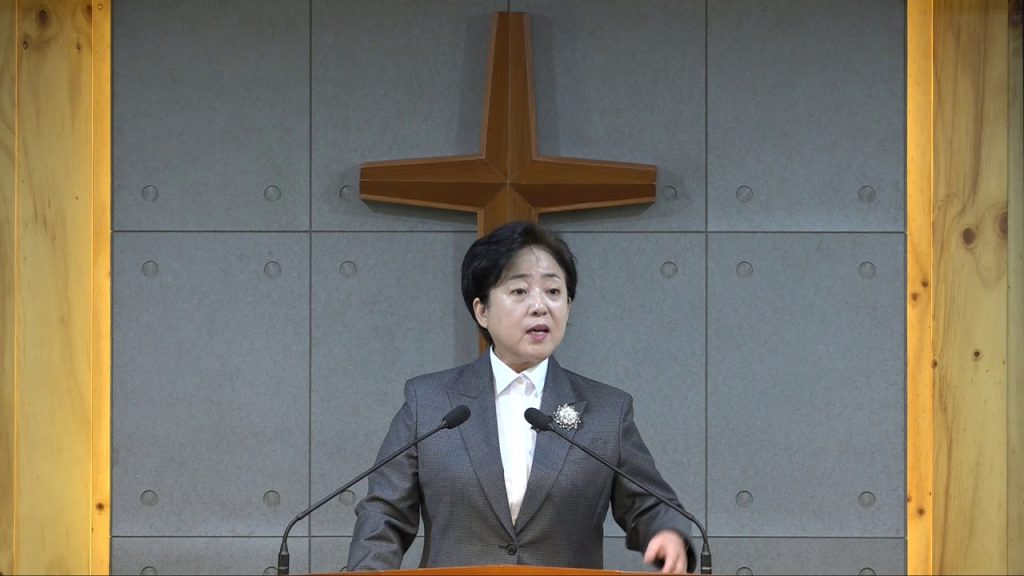
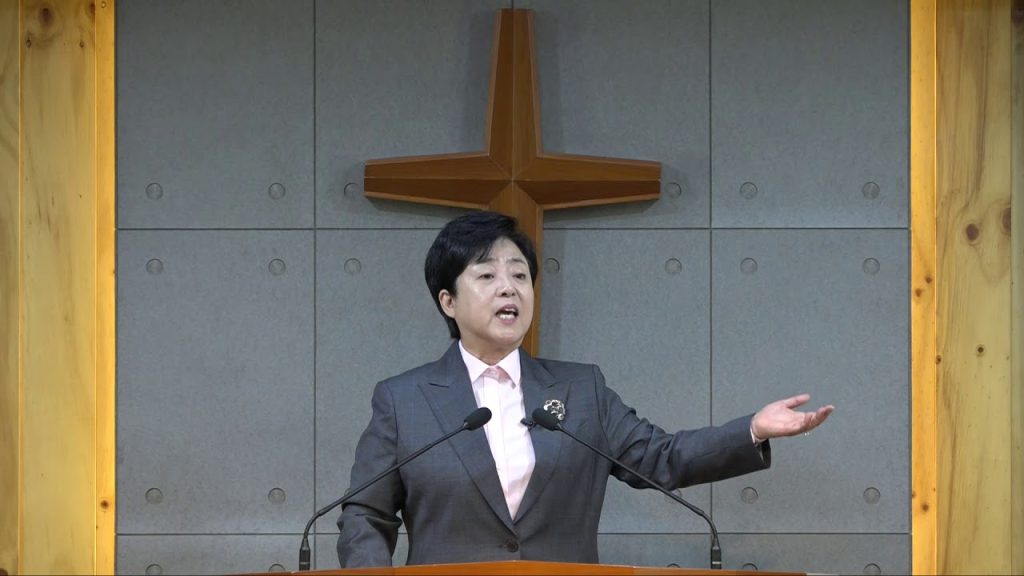
Pastor Cho Chun-sook · Nov 17, 2019
Suffering Is for the Growth of Faith
2 Corinthians2 Corinthians 5:1-10

Suffering Is for the Growth of Faith

This passage sheds light on the meaning of the suffering believers go through, by way of the story of Kayla Mueller, who was abducted by an extremist organization and endured deadly suffering, yet kept her faith to the end. Confident that even if the earthly house of her tent were dissolved she had an eternal house in the heavens, she met her death without any negotiation or compromise. This went beyond mere endurance; it was an extreme choice that showed the salvation of the soul and eternal life to be far more important than the suffering of this present life.

The sermon urges believers today to look at life from the same perspective as the prophets and apostles, who counted the hope of the kingdom of heaven greater than the suffering of the body. However strong Satan's temptations and persecution may be, if we remember the eternal judgment and the glory of the kingdom of heaven, we can overcome fear and be bold. We cannot use the weakness of the flesh or the hardness of our circumstances as an excuse for not keeping the faith; rather, we must recognize that such suffering is a process that matures our faith.

Why should we live relying on eternal life instead of clinging to the passing things of this world, and how are we using this season of suffering as an opportunity for our faith to grow?

Pastor Cho Chun-sook · Nov 3, 2019
Be of Sound Mind, Self-Controlled, and Sober in Prayer
1 Peter1 Peter 4:7-8

Be of Sound Mind, Self-Controlled, and Sober in Prayer

This passage announces that the end of all things is near, and urges believers to be of sound mind, self-controlled, and sober in prayer. As the world grows more complicated and civilization advances, people are losing patience and self-sacrifice; they sink into their own emotions, avoid their problems, or make the dangerous choice of throwing their lives away too easily. Satan takes advantage of this mental weakness to obstruct God's plan, and believers are called to live with more strength than the world.

The sermon points out, through the contrast between Job and Judas Iscariot, how much the choices we make in suffering matter. Even in extreme pain and amid the mockery of those around him, Job did not let go of God; he repented and endured to the end, and so overcame Satan's attack. Judas Iscariot, on the other hand, was swept away by his emotions, could not look to the eternal world, and came to a tragic end. When Elijah, too, was so worn out that he begged to die, God knew his weakness, comforted him with bread and water, and raised him up again.

Believers must drive off with God's word the whispers of Satan that push them, overwhelmed by emotion, to the edge of the cliff. With the faith that gains eternal life, they must endure the pain of this life, love one another, and hold each other up as brothers and sisters in the faith. Now that the end of all things is near, how should believers be of sound mind, self-controlled, and sober in prayer?

Pastor Cho Chun-sook · Oct 27, 2019
Are You Trusted by God?
1 Corinthians1 Corinthians 15:29-34

Are You Trusted by God?

This sermon deals with the attitude of a life that God trusts, through the apostle Paul preaching the gospel to the elders of the church in Corinth, ready to die daily; the event of Peter's miraculous release from prison; and the way Elisha followed the prophet Elijah to the end and became his spiritual successor. The passage stresses how important trust is in our relationships with people and with God, and explains why Paul staked his life, and how Peter's miracle was possible because of the earnest prayer and faith of the believers. It also shows how Elisha, never leaving his master's side and building trust through humble obedience, came to receive remarkable spiritual power.

The sermon points out that what believers need in order to become people God trusts is not outstanding wisdom or wealth, but a good heart, obedient faith, and an unchanging character. It names the contradiction of praying while not being sure that God will answer, and says that true trust begins with believing that God will accomplish his work and waiting for it. It also stresses that respecting and serving those who went before us in the faith is a way of building trust with God, and that since no one has full faith from the start, trust has to be built one step at a time.

The sermon cautions believers against words and actions that destroy people's trust, and reminds them that when trust with God breaks down, faith cannot grow. Finally, it asks whether believers must live each day ready to die, building trust with God as they head for their final destination, the kingdom of heaven, rather than looking only at the gain in front of them.

Pastor Cho Chun-sook · Oct 20, 2019
Those Who Worship in Spirit and Truth
JohnJohn 4:23-24

Those Who Worship in Spirit and Truth

This passage deals with the scene in which Jesus proclaims what the essence of true worship is. At the time, Gnostic ideas had spread within the church and were unsettling the faith of believers; the Gnostics claimed that salvation came through supernatural knowledge, or only to a particular class of people. The apostle John rejects these false ideas and stresses that Jesus Christ came as a fully human being and accomplished his atoning death on the cross.

The sermon points out that to be set free from Satan's temptation and the powers of darkness, believers must worship in spirit and truth. It makes clear that the work of God is not relying on the pleasures of the world or on human wisdom, but believing in the one whom God has sent. As in David's confession, it shows that listening for God's voice and pleading with him is what worship in spirit and truth actually looks like.

Believers must not stop at their own judgment or knowledge, but live in the assurance of the sacrifice and love of the cross. God listens to the prayers of believers and leads them into a safe and blessed life even in a dangerous world. It considers what special blessing and protection those who worship in spirit and truth receive from God, and how this worship changes the everyday lives of believers.

Pastor Cho Chun-sook · Oct 13, 2019
Israel, Doing That Which Was Right in Their Own Eyes
Judges, Part 23Judges 21:20-25

Israel, Doing That Which Was Right in Their Own Eyes

This passage deals with the event in which the people of Israel, having gathered at Mizpah and sworn not to give their daughters to the tribe of Benjamin, end up attacking the people of the city of Jabesh and carrying off its young women by force. When the tribe of Benjamin faces extinction because of their own oath, the people blame God, revealing their selfishness and hardness of heart. Through the atrocious incident involving the Levite, the passage also shows a community that has been set against itself and has fallen for Satan's schemes.

The sermon asks, in light of this picture of Israel, what believers should hold on to as they live. It points out that although God waits patiently for our salvation and for the kingdom of heaven, if believers use God or betray him for the sake of the world's pleasures and gain, in the end they will lose everything. In particular, it stresses that sacrificing the weak or making selfish decisions is the sin of not serving God as King and doing what is right in one's own eyes.

The sermon reminds believers not to fall into the desires of the flesh and the temptations of the world, but to live holy lives in obedience to God's will alone. It leads us to consider how we should prepare ourselves so that we do not take lightly the grace God has given, and are not shaken from the rock of the Word.

Pastor Cho Chun-sook · Sep 29, 2019
The Sin of Fallen Israel
Judges, Part 22Judges 20:17-28

The Sin of Fallen Israel

This passage deals with how the twelve tribes of Israel prepared for war to punish the tribe of Benjamin, following the tragedy in which a Levite's wife was brutally killed. Seeking his own revenge, the Levite cut his wife's body into twelve pieces and sent them out to stir up Israel, and the tribe of Benjamin chose war rather than repenting of its sin. Israel went out with an army of tens of thousands and asked God for victory, but in their hearts there was no true repentance and no will to reconcile.

The sermon points out that the prayers and sacrifices Israel offered were not what God delights in. Burnt offerings and peace offerings stand for sacrifice and reconciliation, but Israel tried to use them to satisfy its desire to destroy its brother. God does not help those who repent, and he did not hear their prayers. Instead, they could not see their own sin and sought only to judge the other side, and as a result they suffered a tragedy in which countless lives were lost.

The sermon asks whether believers, when they see a brother's weakness, should first look at themselves and repent. It asks whether true repentance is found not in a faith that judges and condemns one another, but in humbly taking a brother's sin as one's own and praying.

Pastor Cho Chun-sook · Sep 22, 2019
Israel Defeated by Satan
Judges, Part 21Judges 19:22-30

Israel Defeated by Satan

Today's passage deals with the tragic events that befell a Levite and his concubine in the time of the judges. The Levite, who should have proclaimed the word in God's place and been in charge of the sacrifices, fell into sexual corruption, and as he collapsed, his wife also committed the same sin and in the end met a miserable death. This incident goes beyond one person's moral failure; it shows what came of the whole people of Israel abandoning God's order and giving in to Satan's temptation.

The sermon points out that this corruption has its roots in Satan's relentless attacks and in believers failing to stay awake. Through media, culture and more, Satan distorts the idea of sex and fosters a culture that makes light of life, causing believers to live crooked lives, like a shirt buttoned wrong from the very first button. In particular, once the Levites and leaders, who should have been armed with the Word, collapsed, the people sank into a state where they could no longer tell good from evil.

Through this lesson from history, our church and its members today must reflect on where we stand. As the world's laws and morals crumble, the sermon asks whether believers can protect themselves and become 'magnets' that bring their neighbors to salvation, or whether they have fallen for Satan's strategy and are simply standing by.

Pastor Cho Chun-sook · Sep 15, 2019
Micah’s Idol and Priest
Judges, Part 20Judges 17:7-13

Micah’s Idol and Priest

Today's passage deals with the story of Micah's household in the land of Ephraim, early in the time of the judges. When Micah's mother finds out about the silver her son stole, she fears the curse and covers up his sin, and instead of setting things right she goes on to provide him with an idol and a priest, making the problem worse. Neglecting her son's character and proper discipline, she holds on to a misguided faith that serves her son like an idol for the sake of worldly success and her own desires.

This picture of Micah's mother resembles the heart of parents today who cover up their children's wrongdoing and want nothing for them but worldly success. The Levite who compromised his holy office to make a living, and the tribe of Dan, which used God for its own prosperity, also show a slice of an age in which faith had been corrupted. By making idols and hiring a priest, they treat God as their own possession, and they wander, having lost honest faith and the discernment that comes from the Word.

God does not exist for anyone's worldly blessing or success; he requires us to live holy lives through honest faith and faithfulness. We look at ourselves and ask whether, like Micah's mother, we cover up our children's sins; whether, like the Levite, we compromise our calling out of worldly calculation; or whether, like the tribe of Dan, we use God as our own tool.

Pastor Cho Chun-sook · Aug 25, 2019
Samson, Who Judged Israel Twenty Years
Judges, Part 19Judges 16:21-28

Samson, Who Judged Israel Twenty Years

This passage deals with the tragic situation of the judge Samson, who revealed the secret of his strength to the Philistine woman Delilah, lost both his eyes, and was reduced to a slave. Samson justified his actions as being for the sake of Judah and shifted the responsibility onto others, and in the end he was betrayed by his own people and handed over to the Philistines with his hands and feet bound. Still believing that his strength could come back at any time, he acted proudly, and went into captivity without knowing that God had already left him.

The sermon points out that Samson did not live wisely, and that, gripped by his lust and pride, he twisted God's will. He chose revenge rather than solving problems, and because he would not admit his weaknesses, he easily fell to Satan's temptations. God had made his purpose and plan clear to believers, but Samson ignored them and lived a self-centered life, and in the end he lost his standing as God's instrument. The sermon also warns of the miserable outcome believers face when they are shaken by the world's temptations without knowing their own weaknesses.

We must look back on how we are spending the time we have left as believers, and whether we know our weaknesses well enough to hold off Satan's attacks. We must reflect deeply on whether we have failed to put God first and fallen into the world's temptations, and whether we are making Christ's salvation of no effect.

Pastor Cho Chun-sook · Aug 18, 2019
Manoah and His Wife, Who Conceived Samson
Judges, Part 17Judges 13:1-7

Manoah and His Wife, Who Conceived Samson

This passage deals with the conception of Samson, the Nazirite who would save Israel. The angel of the Lord appears to Manoah and his wife, who had no son, announces that they will have a son, and commands that the parents themselves live as Nazirites for the child's sake. This is not merely a miracle of birth; it shows God's deep purpose of preparing a holy vessel in which to place a precious treasure.

The sermon points to the pain and resolve that Manoah and his wife had to go through. They had to give up their ordinary way of life and drinking, and obey God's providence even when they could not understand it. This reveals God's wonderful nature, which goes beyond human reason and judgment, and calls for a living faith of obedience rather than a dead faith without works. Through the tragedy of Samson, who received God's grace and yet fell in the end, it also warns that the more special the grace a person has received, the more thorough the holiness and humility they need.

Just as God required Manoah and his wife to live as Nazirites, he asks believers today to cut off worldly pleasures and live holy lives. We are led to look back on whether we are growing into believers who can care for the precious souls God will entrust to us, and whether we are living wisely according to God's will.

Pastor Cho Chun-sook · Jul 28, 2019
Outdoor Service Sermon
Proverbs

Outdoor Service Sermon

This passage talks about what it means to express love and to wait, through a conversation between a grandmother and her granddaughter, Nan-i. Nan-i does not say that her grandmother is the best, but she shows her heart by knowing well what her grandmother likes and what she does. Through this, it pictures the heart of God, who, even knowing that we may love the world more than him, waits for us to confess that we love him.

We often confess that we love the world or our family more than God, or we cannot come to God because we feel sorry. But God is pleased with even an honest confession or the smallest turning back. God knows that we cannot help him with any perfect merit of our own, yet through our pure love and our choices he is proud of us and helps us.

As we think about how the pure heart that confesses love for God and walks toward him changes our lives, can we become believers who make God smile?

Pastor Cho Chun-sook · May 26, 2019