
Skip to content

Sermons

The Lust, When It Has Conceived, Bears Sin
2 Samuel, Part 122 Samuel 11:1-5

The Lust, When It Has Conceived, Bears Sin

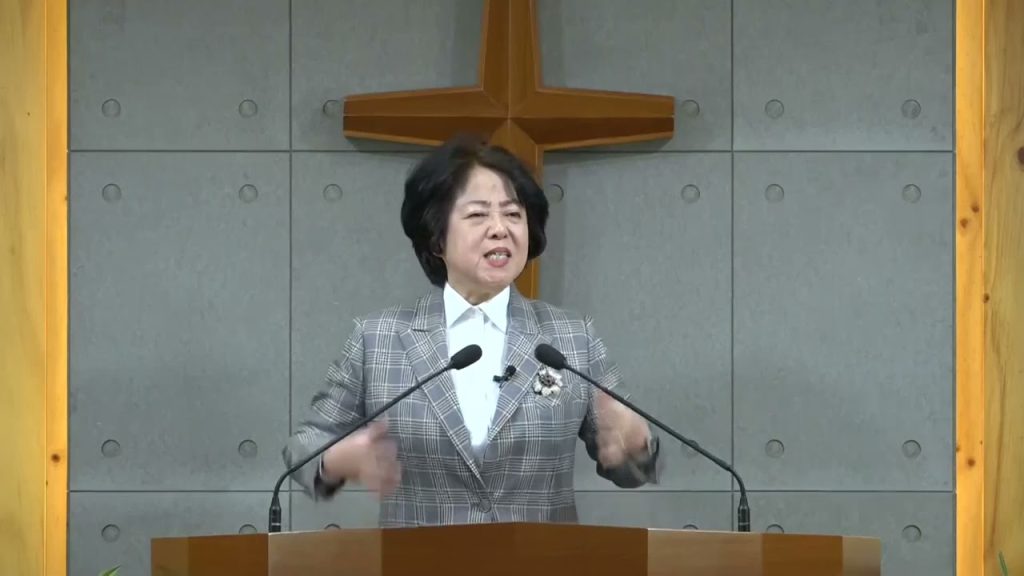
This passage deals with David, settled into complacency in his peaceful palace, seeing from the rooftop the beauty of Bathsheba as she bathed and conceiving desire. David, who had relied on God alone in times of hardship, grew spiritually lax once he gained ease, looking at the world through worldly eyes, and was finally captured by the lust of the flesh and the lust of the eyes.

The sermon warns that sin does not end with a single mistake but grows like a snowball into lies and murder. To cover his sin, David drives the upright warrior Uriah to his death, even ordering Joab to commit murder, and falls into a pit of evil. It emphasises that when the wisdom and judgment God has given are clouded by sin, a person commits great sin without even realising how abnormal they have become.

The sermon reminds believers to stay always within the fence of the Holy Spirit so that they do not fall into complacency and pride. It asks what we are looking at now and what standard we judge by, and whether the result is good, the kind that can receive God's grace.
Pastor Cho Chun-sook · Feb 26, 2023
Hanun, Who Could Not Receive Grace as Grace
2 Samuel, Part 112 Samuel 10:1-14

Hanun, Who Could Not Receive Grace as Grace

This passage begins with David, king of Israel, mourning the death of Nahash, king of the Ammonites, and offering friendship to his son Hanun. David sincerely sent envoys to repay the kindness Nahash had once shown him, but Hanun, swayed by the schemes of crafty officials, misunderstood David's goodwill. By insulting the envoys and putting them to shame, Hanun broke off the relationship and in the end chose war, taking a foolish path.

The sermon stresses that Hanun, lacking wisdom, could not receive grace as grace, and says that believers need the wisdom of the Word and the Holy Spirit to make right judgments. An attitude that takes grace for granted and is not thankful cuts off the relationship with God and blocks spiritual growth. On the other hand, those who, like David and Mephibosheth, sincerely remember the love they have received and devote themselves develop a mature character that God uses. Hanun's attempt to justify himself by hiring soldiers with money, even after realising his wrong, shows the pride that finally brought his ruin.

Reflect deeply on how a character that does not repay grace and is not thankful leads to spiritual poverty and broken relationships. The sermon also asks how we will seek God's wisdom rather than the world's power and wisdom, and sincerely share the love we have received and devote ourselves.

Pastor Cho Chun-sook · Feb 19, 2023
Mephibosheth, Blessed Through His Father’s Faith
2 Samuel, Part 102 Samuel 9:1-13

Mephibosheth, Blessed Through His Father’s Faith

This passage tells how David, to keep his promise to Jonathan, searches for anyone left of the house of Saul and invites Mephibosheth to the king's table. Even though Jonathan was dead and no one would have reproached him, David sought out Saul's descendants to uphold his character and his faithfulness before God. Disregarding Mephibosheth's physical disability and lowly position, he protected and blessed him solely for the sake of his kindness and promise to Jonathan.

The sermon emphasises that David's action was not mere human goodwill but a promise of faith to be kept faithfully before God. Satan tries to block grace by highlighting Mephibosheth's weaknesses, but God accepts believers who have faith just as they are. We must not take for granted the grace of salvation won through Christ's sacrifice, but develop a humble character that repays the love we have received.

We need to meditate deeply on how keeping promises leads to our spiritual growth and to eternal blessing. Consider also how we should discern between physical and spiritual problems and walk with the Holy Spirit in order to win the spiritual battle against the world.

Pastor Cho Chun-sook · Feb 12, 2023
The Faith of David, Who Knew God
2 Samuel, Part 9

The Faith of David, Who Knew God

This passage deals with David wanting to build the temple and God refusing. When David was forbidden to build the temple for the legitimate reason that he had shed much blood in war, he obeyed God's will and gave thanks even though his earnest wish was not fulfilled. He believed that his own judgment must not go ahead of God's, and was confident that God was protecting him.

The sermon emphasises that human limits and God's wisdom are different. God sometimes refuses wishes that would bring his children more loss than gain, or that could harm their souls. At such times believers should not lose heart or become angry, but wait for God's timing and pray. God sees our patience that does not stop praying and our humble hearts, and gives greater power and victory. And when we set aside our own righteousness and put God first, God gives believers the material things and authority they need as gifts.

Finally, through the reason David forgave the traitor Joab and gave him a position, the sermon asks what a faith that trusts God completely looks like. Believers must give up worldly comfort, love Christ, and believe in God's righteous judgment and endure. Because God governs all things, believers can entrust their choices and decisions to God and live in peace.

Pastor Cho Chun-sook · Feb 5, 2023
Wise David, Who Gave Up His Own Will
2 Samuel, Part 8

Wise David, Who Gave Up His Own Will

This passage covers how David failed when he tried to move the ark by his own will, and how he was forbidden to build the temple. Living in a splendid palace, David felt ashamed of himself and wanted to build a temple for God, but this created a situation in which human zeal collided with God's law. The prophet Nathan, too, trusted David's heart and agreed without reservation, but God had not commanded David to build the temple.

The sermon points out that although David's plan came from good intentions, it failed because it did not follow God's law and will. We often believe our own thinking is proper and imagine that we are working for God, but human thoughts and God's will are fundamentally different. In particular, through the issue of bloodshed, the reason he was forbidden to build the temple, and through David's attitude of obeying without excuses, it emphasises the need for the wisdom to understand what God's will is.

When God refuses our plans or sends us suffering, we must not complain and abandon our faith. Why do we need a mature faith like David's, one that hears God's voice, immediately gives up its own will and gives thanks?

Pastor Cho Chun-sook · Jan 29, 2023
The Death at Perez Uzzah
2 Samuel, Part 7

The Death at Perez Uzzah

This passage tells how David, from the comfort of the throne, tried to move God's ark on a new cart, and suffered the tragedy of Uzzah's death because of human devotion that ignored the ordinances. Departing from the faith with which he had relied on God through earlier hardships and miracles, David judged that his own ideas and zeal would please God and pushed ahead with something that broke the law. This shows a dangerous moment in which, instead of the way God had appointed, human pride and an idolatrous heart come to light.

The sermon points out why we must be even more careful once we have come out of hardship into comfort. It is because in comfort human desires grow, we take God's answers for granted, and we put our own devotion ahead of God. In particular, it warns how faith becomes corrupted, as David, when he met God's anger through Uzzah's death, instead became angry with God and tried to send the ark far away. This stresses that a work begun with a wrong plan and heart ends in catastrophe, and shows that true loyalty is following God's word and ordinances rather than human zeal itself.

Through the contrast of Obed-Edom, who, unlike Uzzah, kept God's ark in his house and was blessed, it reveals how a faith that obeys God's will leads to blessing. Just as David found peace only when he repented and moved the ark according to the ordinances for the Levites, it suggests that our faith, too, must lay aside human righteousness and go forward in God's way. How should we discern whether our thoughts and zeal right now are for God or for ourselves?

Pastor Cho Chun-sook · Jan 15, 2023
Mary Worships God (New Year Service)
Luke

Mary Worships God (New Year Service)

This passage deals with Mary, who, after the angel's visit and the news that she will conceive the Messiah, visits Elizabeth and offers praise and worship. Although Mary knows her own weakness and the impossibility of her situation, she accepts it in obedience, desiring God's word to be fulfilled. Amazed and grateful that she, lowly as she is, has been entrusted with God's great work, she offers God heartfelt worship.

The sermon emphasises that Mary's attitude was not a mere religious act but a resolve to take part in God's deep providence and plan once she had understood it. It says that God's will, which cannot be known by worldly wisdom, is revealed to believers through the Holy Spirit, and that believing and obeying it is true wisdom. It also points out that, just as Mary praised God amid hardship and misunderstanding, believers too should take part in God's will without being shaken by whether their circumstances are good or bad.

The sermon asks believers not to become proud by asserting their own righteousness, but to live only for the holiness of Jesus Christ. Just as Mary praised the Lord even in the hardship of conceiving a child as a virgin, it asks whether we will live a life of worshipping God, fulfilling our duty as believers to the end, through the hardships and joys of this year.

Pastor Cho Chun-sook · Jan 1, 2023
Jesus and the Two Robbers (Christmas)
Luke

Jesus and the Two Robbers (Christmas)

Reflecting again on the meaning of Christmas, this passage sheds light on the essence of faith through the two criminals crucified beside Jesus. Although Jesus came in humble form, people expected him to be a worldly liberator or a mighty king, and were disappointed or mocked him. In particular, the two robbers, arrested while fighting against Roman oppression, were men who had devoted themselves to their nation, and even to the last moment they asserted their own merits or demanded salvation, regarding Jesus as a worldly power.

Through the complex feelings they went through and the historical background of the time, the sermon points out that salvation cannot be gained by human effort and will alone. One robber admitted that he was rightly on the cross for what he had done, yet confessed the sinless Jesus to be righteous and pleaded with him to remember him when he came into his kingdom. This shows that the decisive standard for salvation is not the world's standards or human good works but faith in, and confession of, Jesus Christ alone.

We are led to reflect on our priorities as we work hard for our country and our families. We come to realise that the true purpose of life is to live for Christ rather than for worldly success or honour. We must not forget that after this life we will be divided between the kingdom of heaven and hell, and must seek never to let go of our faith in Jesus Christ. Remembering that God willingly bore the cross to save us, what should we learn through this sermon to make sure that Christ comes first in our lives?

Pastor Cho Chun-sook · Dec 25, 2022
God Who Adds Blessing upon Blessing
2 Samuel, Part 62 Samuel 5:17-25

God Who Adds Blessing upon Blessing

This passage deals with the scene in which David, attacked by the Philistine army, asks God what to do despite his own formidable military strength. God instructs David not to go out and fight directly, but to wait behind the mulberry trees and attack when he hears the sound of marching above. This is an astonishing promise that God would send his angels ahead of David to defeat the enemy.

The sermon emphasises David's humble attitude of still obeying and praying to God even after gaining power. He confesses that his victories came not from his own strategy or military strength but because God helped him, and he keeps a faith that does not forget God but fears him. It says that such obedience and humility are the conditions for blessing that bring greater protection and miraculous victory from God.

Consider what answer there will be when we entrust to God the frightening situations and hard-to-solve problems we face, and pray persistently without doubting.

Pastor Cho Chun-sook · Dec 11, 2022
God, Who Made the Ark Through Noah (Huntsville First Full Gospel Church Joint Small Group Service)
Genesis

God, Who Made the Ark Through Noah (Huntsville First Full Gospel Church Joint Small Group Service)

This passage deals with Noah building the ark at God's command just before the judgment of the flood. In a world full of corruption, Noah, the only righteous man who walked with God, obeyed God's warning and kept on building the ark to completion despite mockery and persecution. God announced that judgment was imminent and commanded Noah to prepare the ark of salvation, and Noah did his utmost, believing that the word would surely be fulfilled.

The sermon emphasises that Noah's ark was not simply a physical structure but faith in Jesus Christ itself. It says that even when the world still looks calm and the mockery continues, true salvation is to believe in the unseen judgment and stay inside the ark. And through Noah's grieving heart as he built the ark and strove to save his family and neighbours, it helps believers realise their mission to be set apart from the world and share the gospel.

Through the contrast between Noah weeping and praying to God inside the ark and the people outside, who had mocked him, regretting it after the door was shut, the sermon leads us to reflect on the present. Believing that the judgment God has appointed will surely come, it asks us to ask ourselves honestly whether at this moment we are inside the ark or outside it.

Pastor Cho Chun-sook · Nov 27, 2022
The Death of Ishbosheth
2 Samuel, Part 5

The Death of Ishbosheth

This passage deals with the murder of Saul's son Ishbosheth by his own officials. Hearing of Abner's death, Ishbosheth trembled with fear and relied entirely on Baanah and Rechab, who were supposed to protect him. But the two officials, judging that Ishbosheth was of no more use to them, betrayed him and took his head to David. They thought David would rejoice that his enemy had been killed and that they would be rewarded.

But David did not tolerate what they had done; instead he was very angry. David knew that killing Ishbosheth in his bed was a wicked act. Baanah and Rechab had killed the king only to satisfy their own greed, not for God. God regards the process and the heart as more important than the result. God does not accept formal devotion or false loyalty. God wants honest faith and sincerity.

The death of Ishbosheth shows the tragic results that human will and greed bring. David, by contrast, did not take revenge on his enemy himself but left it to God. David was patient, trusting that God would repay on his behalf. This faith of David's became the occasion for God to establish him as king. We must look back on the heart with which we serve God. We must distinguish whether our faith is truly directed toward God or toward our own interests. We are led to think about what God wants and how we should live.

Pastor Cho Chun-sook · Nov 20, 2022
The Consequences of Joab’s Sin
2 Samuel, Part 4

The Consequences of Joab’s Sin

This passage deals with the sin committed by Joab, King David's general, who put his own power and hot temper first and ignored God's will and the king's command, and with its consequences. Joab gained great power through his service in fighting for David, but he grew proud, killed Abner on the pretext of avenging his brother Asahel, and shook the foundations of David's rule. The sermon points out that Joab lost his spiritual discernment and judged only by the gains and feelings immediately before his worldly eyes.

The sermon warns that if we cannot tell whether suffering comes from sin or is for spiritual training, we may make excuses or do evil rather than repent of our sin. Although Joab had seen David's wisdom in entrusting everything to God and waiting, he trusted his own wisdom, acted on his own, and finally set out on the road to ruin. David, on the other hand, shows a mature faith: while using the abilities of a wicked man in his rule, he kept his integrity and left Joab's sin to God.

Believers must not use God by putting forward their own merits, nor decide their faith by blaming circumstances and people. The sermon leads the reader to reflect that their choices are not determined by circumstances but depend on how faith interprets them. It asks how, so that our lives do not end in ruin like Joab's, unable to leave the place of sin, we can gain the wisdom to understand God's will in suffering and to repent.

Pastor Cho Chun-sook · Nov 6, 2022