
Skip to content

Sermons

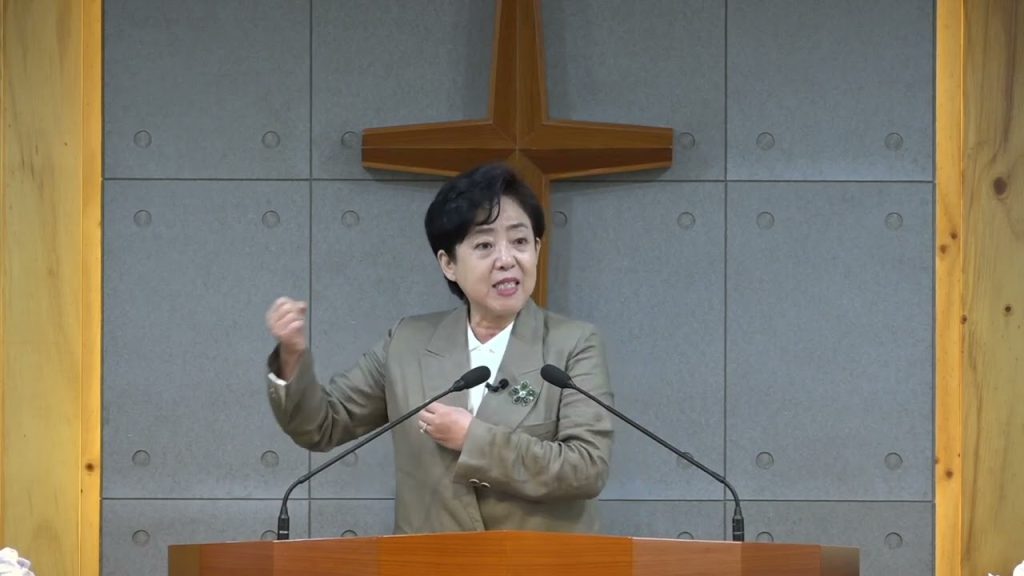
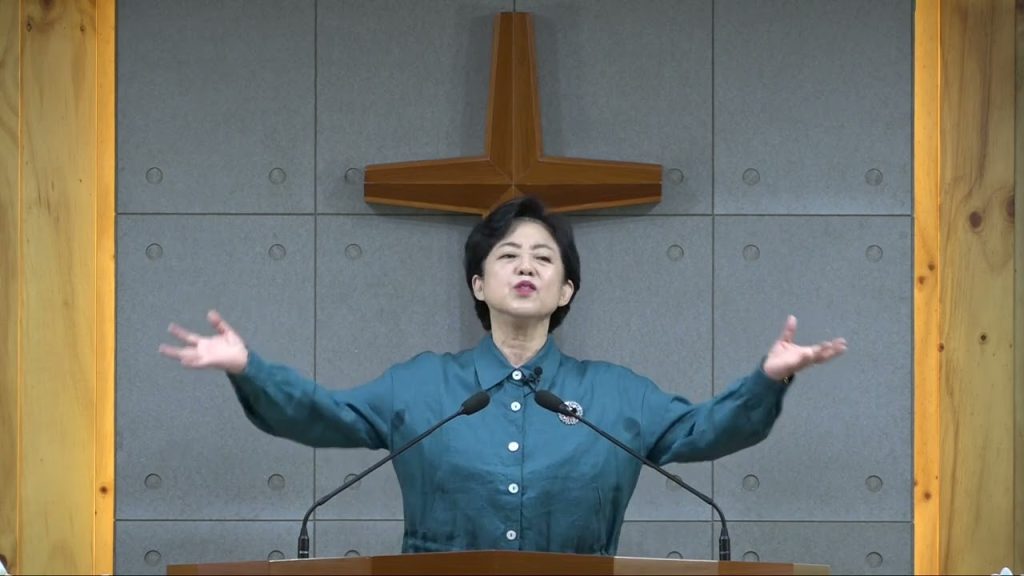
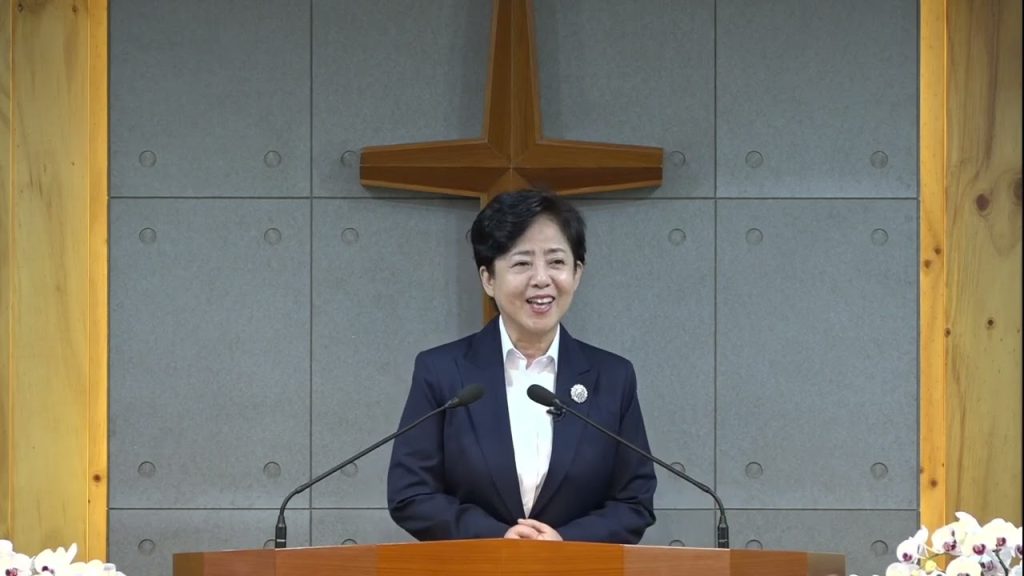
Strive Together with Me in Your Prayers
Romans, Part 34

Strive Together with Me in Your Prayers

In the closing part of his letter to the believers of the church in Rome, the apostle Paul reveals his sense of mission and his faith amid suffering. Looking back on his journey of carrying out his priestly ministry for the Gentiles and his mission of spreading the gospel, Paul shows his resolve to follow the Lord's will even though he knows in advance the persecution and suffering he will face on the road to Jerusalem. Even when his plans were not fulfilled and he arrived in Rome as a prisoner, he acknowledged this as God's way and obeyed.

The sermon emphasises the apostle Paul's attitude of putting God's will ahead of his own. Paul knew that embracing and sharing with weak believers is the way to become spiritually strong, and he earnestly asks for the believers' prayers, stressing how important they are for carrying out his mission. Paul's belief that suffering becomes the soil for believers' growth presents a picture of believers who trust God and boldly share the gospel even when reality does not go as planned.

The sermon asks whether believers can enjoy true peace and freedom when they give up their own righteousness and their own life and obey God's will. It also puts before believers the question of how they should hold a sense of mission to share the gospel without being shaken, even in places of suffering.
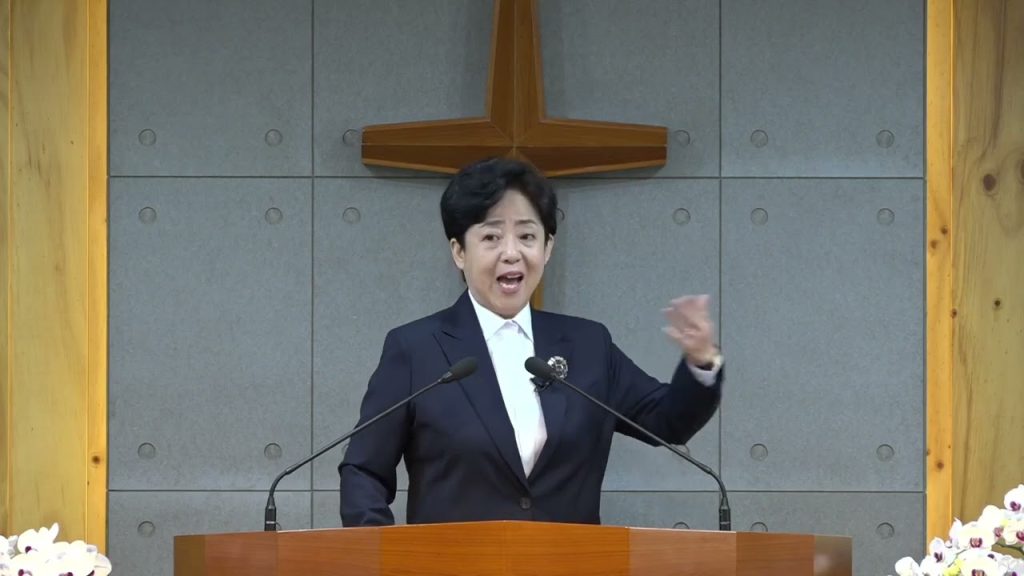
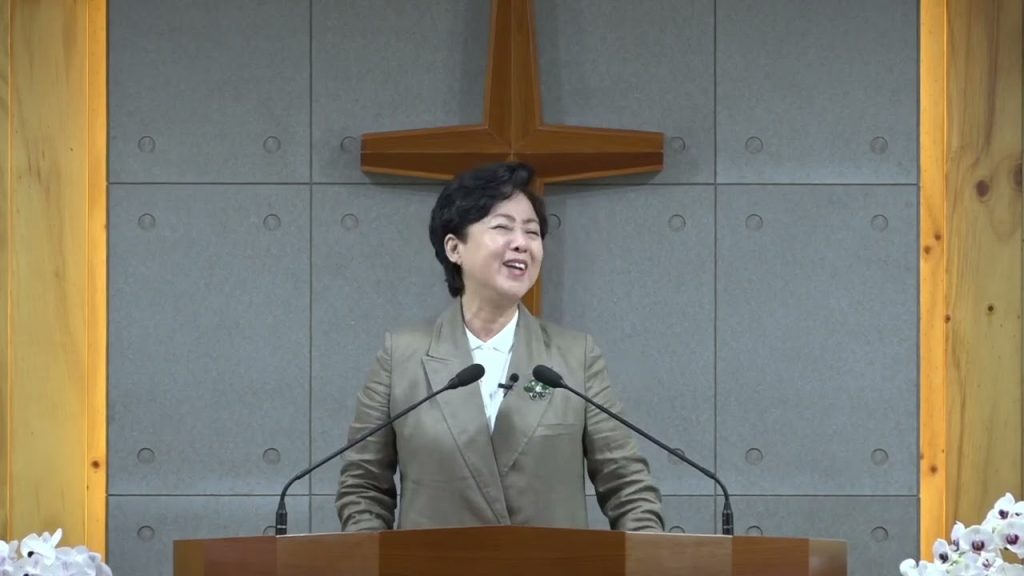
Pastor Cho Chun-sook · Jun 26, 2022
For Even Christ Didn’t Please Himself
Romans, Part 33

For Even Christ Didn’t Please Himself

Recalling the sacrificial heart with which Christ gave himself up on the cross to atone for our sins, this passage deals with how believers who are strong in faith should treat those who are weak in faith. The apostle Paul commands the strong to bear the weaknesses of the weak and not to please themselves, and emphasises that this is God's will, leaving no room for choice.

Believers armed with the words of Scripture must set aside their selfishness and live lives that carry their brothers' burdens. This goes beyond mere endurance: it is an active devotion that humbles itself and pours out love for the other's growth. And just as there was discrimination between Jews and Gentiles in that time, today too, believers of different backgrounds must follow Christ's love and accept one another in order to give glory to God with one mind.

When we know the truth of Scripture and are filled with the power of the Holy Spirit, we come to realise that loving and helping our brothers is not hard. Then will we, as Christ delighted to do, live lives that embrace and serve one another with a faith that pleases God?

Pastor Cho Chun-sook · Jun 19, 2022
If Therefore We Live or Die, We Are the Lord’s
Romans, Part 32

If Therefore We Live or Die, We Are the Lord’s

This passage deals with the apostle Paul's letter to the believers of the church in Rome. At that time, Jewish believers who valued the forms and feasts of the Law lived alongside Gentile believers who enjoyed freedom in Christ, and they were in conflict over food and days. Paul urges them not to judge or criticise one another over such minor matters, but to embrace one another, since God has accepted each person.

The sermon emphasises taking care that the church is not divided between form and truth, weakness and maturity. It points out that even those who are strong in faith need the sacrifice and patience to limit their own freedom so as not to cause a weaker brother to stumble. It also warns how dangerous it is to quarrel in the church over political debates or matters of form unrelated to the gospel, and makes clear that God's Kingdom is not eating and drinking, but righteousness, peace, and joy in the Holy Spirit.

On the day when we all stand before God's judgment seat, how will we excuse ourselves for having criticised and despised our brothers? The sermon closes by posing this question today: can we, who have become Christ's, live lives of patience and embrace rather than judging one another?

Pastor Cho Chun-sook · Jun 12, 2022
Let’s Throw Off the Deeds of Darkness, and Let’s Put On the Armor of Light
Romans, Part 31

Let’s Throw Off the Deeds of Darkness, and Let’s Put On the Armor of Light

This passage explains how Christians under the rule of the Roman Empire should submit to the authorities, and the sovereignty of God that lies behind this. The apostle Paul urges believers to keep the law, pay taxes and obey, because even wicked rulers are established by God. This is a wise attitude that keeps the way open for the spread of the gospel, and it acknowledges that those in power have been appointed as God's servants to do good.

The sermon emphasises that believers should not be shaken by worldly power or circumstances, but should rather grow in spiritual discernment through suffering. To repay the debt of love they have received from God, believers must love their neighbours and throw off the deeds of darkness, such as reveling and sexual promiscuity. Such a holy life, while keeping the laws of the world, creates room for the gospel to go unhindered, and is the picture of one who has put on the armor of light and bears the fruit of the Spirit.

The sermon leads believers to look back on whether their present lives have thrown off the deeds of darkness and put on the armor of light, and whether they have a faith that builds up their brothers.

Pastor Cho Chun-sook · Jun 5, 2022
Bless Those Who Persecute You; Bless, and Don’t Curse
Romans, Part 30

Bless Those Who Persecute You; Bless, and Don’t Curse

This passage conveys the apostle Paul's command to the believers in Rome to bless those who persecute them and not to curse, as he emphasises harmony in the church and love put into practice. It explains that rather than taking revenge on enemies or losing one's temper according to the world's logic, we must follow the Holy Spirit's leading in the spiritual battle of overcoming evil with good.

Through the account of Thomas, who could not believe until he had touched Jesus himself, the sermon points out the need for a faith that goes beyond instinctive doubt and reason. It says that when believers go down to a low place to understand and embrace others, they can overcome Satan's tests and grow spiritually mature. It also emphasises that a life of loving one's brothers and diligently serving the Lord is the true evidence of salvation, and the way to reveal God through sincere love without pretence.

Must believers have a mature character that, rather than cursing or taking revenge when caught up in their own feelings, can rejoice with those who rejoice and weep with those who weep?

Pastor Cho Chun-sook · May 29, 2022
Present Your Bodies a Living Sacrifice, Holy, Acceptable to God
Romans, Part 29

Present Your Bodies a Living Sacrifice, Holy, Acceptable to God

This passage teaches that believers who are saved through faith in Jesus Christ must, unlike the world's values, offer themselves as a holy, living sacrifice that pleases God. The apostle urges believers not to be conformed to this world but to be transformed by the renewing of their minds, and to live discerning the good, well-pleasing, and perfect will of God. This means going beyond mere religious ritual to offer the whole of daily life as spiritual worship.

The sermon emphasises that believers' lives must be consistent with the truth, and through the example of the offerings of Cain and Abel, explains that God looks not at the kind of offering but at the heart and way of life of the one who offers it. Believers must fight a constant spiritual battle so as not to let their evil nature show, and must become hard like tempered glass, refined through suffering. In the church there are also members with various gifts and offices, and when each carries out their role humbly, the church can grow healthily.

Gifts should not be tools for showing oneself off but means of serving the kingdom of God, and believers must act wisely according to the measure of faith they have received. The sermon shows that believers can become a truly holy, living sacrifice when they put God's work ahead of worldly affairs and devote their time and abilities without holding back. Finally, it asks what believers should hold on to and pray for, so that they make good decisions every day and live faithfully to the end.

Pastor Cho Chun-sook · May 15, 2022
Oh the Depth of the Riches Both of the Wisdom and the Knowledge of God
Romans, Part 28

Oh the Depth of the Riches Both of the Wisdom and the Knowledge of God

In this passage the apostle Paul explains God's mysterious plan for the salvation of the Gentiles and the salvation of Israel, and praises God's deep wisdom and love, which human wisdom can never understand. Through the illustration of a shepherd who builds a fence to protect his sheep from fierce beasts, and puts up a higher fence or ties with a rope a sheep that will not obey, it shows the way God protects us in love.

We often regard God's protection as confinement or mistake it for suffering and try to climb over the fence, but God, though he knows our stubbornness, patiently works to the end to save us. In particular, along with God's grace in forgiving sin, it emphasises that when we repent and obey even amid repeated sin, we are led by the Holy Spirit and go forward on the path of truth. It also points out that the true fence protecting the church, the family and the nation must be built firmly, not of rotten wood but of the word of Jesus Christ, and that for this believers must read the Bible, pray and stay spiritually awake.

Just as we cannot fully understand God, neither can we fathom God's plans and love with our wisdom. Then with what attitude should we respond to this vast wisdom and love of God?

Pastor Cho Chun-sook · May 8, 2022
See Then the Goodness and Severity of God
Romans, Part 27

See Then the Goodness and Severity of God

This passage deals with the apostle Paul explaining the history of salvation for Israel and the Gentiles through the parable of the olive tree, and with how God's goodness and severity work. God raised Israel, his chosen people, with deep love, but when they relied on works rather than faith and defied his will, he cut off the branches without holding back. This is not simply punishment; it is the farmer's decisive act of love, so that true fruit may be borne by way of the branches that bore none.

If our wealth or power, or even our position in the church, is not connected to spiritual fruit, God may take them away. God wants not our efforts or pretended devotion, but sincere love and faith. When we show pride and lose our gratitude, God is a strict judge who can cut off even the natural branches he cherishes, without sparing them.

We can escape God's severity only by continuing in his goodness, but if we take that grace for granted and become proud, we will be cut off. Do we realize how weighty and precious God's love is, and become people who lay down our own righteousness and stand humbly by faith?

Pastor Cho Chun-sook · May 1, 2022
A Remnant According to the Election of Grace
Romans, Part 26

A Remnant According to the Election of Grace

This passage deals with the extreme situation in which Elijah, after his victory, faces Jezebel's threat to kill him, flees into the wilderness, and pleads with God to take his life. Elijah complains that he has worked zealously for God and that he alone is left, and he longs for God's judgment. But God, after showing him majestic signs — a strong wind, an earthquake and fire — reveals that he is not in any of them.

The sermon points out that Elijah, in his pride, misread his own zeal and miracles, and was trapped in his own feelings and human judgment rather than seeing from God's perspective. Instead of the judgment Elijah wanted, God sought to change his heart through a still, small voice. This warns that when believers boast of their own merits or focus only on what happens in the world, they can become dull people who fail to see God's grace and sovereignty. As Paul testifies, God never abandons his people, and he carries on his work of salvation through the remnant.

It is when believers listen to the still, small voice and confess their own weakness and God's complete grace that they finally stand as a true remnant. The sermon asks whether believers are standing humbly according to God's election, rather than boasting of their own achievements.

Pastor Cho Chun-sook · Apr 24, 2022
Faith Comes by Hearing, and Hearing by the Word of God [Easter]
Romans, Part 25

Faith Comes by Hearing, and Hearing by the Word of God [Easter]

Today's passage is the apostle Paul's emphasis, to the believers in Rome, on the importance of the gospel and the mission of evangelism. Paul says that faith comes from hearing, and that hearing is possible only when there is someone to proclaim the word of Christ. God has made it so that anyone who calls on the name of the Lord will be saved, without distinction between Jew and Gentile, yet people are missing the chance of salvation because they have not heard the gospel. So believers must become people who proclaim the gospel and declare God's love to the ends of the earth.

The sermon compares this world to a train speeding toward the end, and points out how believers should see this reality. The people on the train are absorbed in cramped space and material competition, but believers know that the train will stop and that there is an eternal world. As ambassadors, believers must protect God's people in this dangerous world and carry the news of salvation. Truth is not about force or chasing miracles; it must change people by seeping in, and believers must do their best to share the gospel where they are.

Could it be that believers fail to share the gospel not because they don't know how to evangelize, but because they have no goal of saving anyone? Just as God loved Israel to the end and yet they refused him, God accomplishes his work regardless of our choices. Believers must not make excuses for their shortcomings, but entrust their lives to God and pray. Then with what heart should we listen to the voices of the world in order to carry out this great mission?

Pastor Cho Chun-sook · Apr 17, 2022
Christ Is the Fulfillment of the Law to Everyone Who Believes
Romans, Part 24

Christ Is the Fulfillment of the Law to Everyone Who Believes

This passage deals with the history of the people of Israel, who treated the act of keeping the Law itself as the means of salvation while rejecting Jesus Christ, who is the truth. Not knowing God's righteousness, they tried to establish their own and stumbled over the stumbling stone, and through this spiritual ignorance they ended up even further from Christ.

Believers must be saved by faith in Jesus Christ, rather than trying to gain salvation through their own efforts or devotion. Every believer who has received Christ, the fulfillment of the Law, becomes a spiritual priest and is given the mission of praying and evangelizing for the souls of others. But boasting only of one's own zeal without following God's will leads to pride and ends in being put to shame.

True faith is knowing that the word is near, in our mouth and in our heart, confessing Jesus as Lord and believing in our heart. We must realize how precious the salvation we received freely is, lay down our own righteousness, and live relying on Christ alone. Through today's passage we look back on whether our life of faith is built on faith rather than works, and whether, sure of Christ, we have gained the courage to share the gospel.

Pastor Cho Chun-sook · Apr 3, 2022
Is There Unrighteousness with God? May It Never Be!
Romans, Part 23

Is There Unrighteousness with God? May It Never Be!

This passage deals with the apostle Paul praying earnestly for the salvation of his fellow Jews, and with the tension between God's choosing and human responsibility. Paul grieves that the people of Israel rejected the Messiah despite receiving remarkable privileges such as adoption, the glory and the covenants, and he pleads for their salvation, for which he would trade even his own life. Going beyond mere love for his own people, this raises an important question about how God's plan and human response intersect.

The sermon clearly distinguishes the relationship between God's absolute sovereignty, human nature and grace. Through the examples of Esau and Jacob, it shows that God's choosing rests on his will rather than on human deeds, and it explains the power of God's grace to lead people to repentance even though all humans are evil by nature. It also points out that even an evil instrument like Pharaoh is used to display God's power and proclaim his name, and it sheds light on how human hardness of heart should be understood within the context of God's patience and judgment.

Finally, through the idea of the 'remnant,' the sermon leads believers to reflect on where they stand now. It stresses the reality that even among the many people inside the church, some survive with true faith and some do not. Reminding us that God patiently kept a seed to the end for salvation, not for judgment, it leads the reader to think deeply about whether they are truly surviving faithfully as a 'remnant' who has received God's mercy, and how that choice shapes their daily life and life of faith.

Pastor Cho Chun-sook · Mar 27, 2022