
Skip to content

Sermons

Jesus Christ, the Land of Blessing
Amos, Part 9Amos 9:1-15

Jesus Christ, the Land of Blessing

This passage deals with Israel's corruption, the judgment of God that followed, and the restoration brought about through the remnant. God declares a terrible judgment, the destruction of the temple and war, against Israel, which had treated his creation carelessly and worshiped idols. But this judgment is not mere destruction; it shows God's character, which hates sin, and at the same time his endless patience and love. God protects Israel so that it is not completely destroyed, and he makes a wonderful plan to raise up the tent of David that is fallen and to make even the Gentiles, Edom included, part of the inheritance of salvation.

The sermon reveals that Jesus Christ stands behind this judgment and restoration. The prophecy delivered by the prophet Amos points to Jesus, who came from David's line and became the land of blessing that saves both Jews and Gentiles. This word, which the apostle James quoted when he testified to the salvation of the Gentiles, gives us the assurance that by believing in Jesus we come to possess a share in the eternal kingdom. The abundant blessing and peace that come after judgment are a privilege enjoyed only when we fear God and live under his protection. Seeing through Israel's history how God's will is fulfilled, we must live wisely so that sin does not hinder the growth of the kingdom of God.

What is that heart of God, which rebukes the proud and yet shelters his repentant children as an eagle gathers its young?
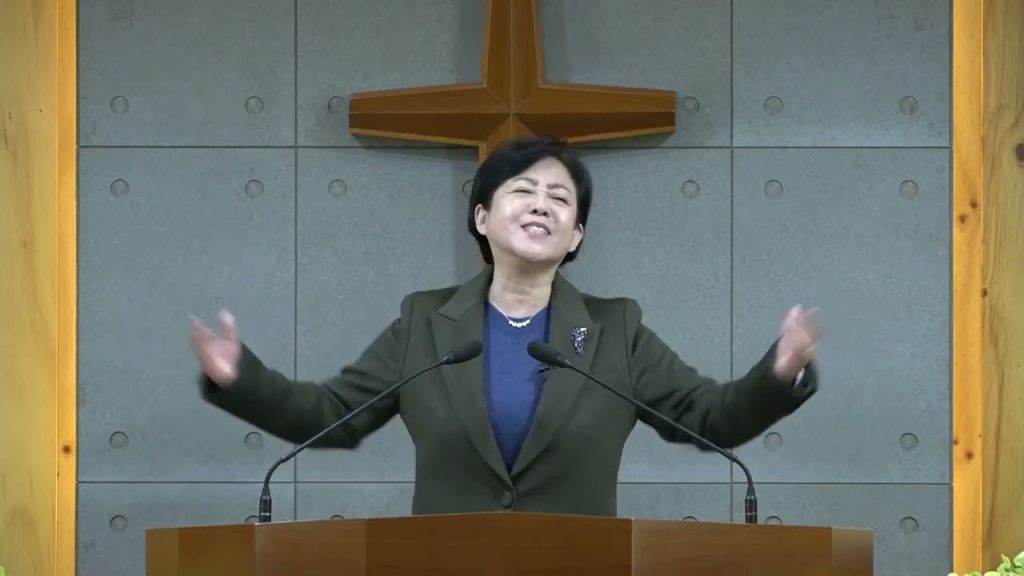
Pastor Cho Chun-sook · Dec 10, 2023
A Famine of Hearing Yahweh’s Words
Amos, Part 8Amos 8:1-14

A Famine of Hearing Yahweh’s Words

This passage deals with how the people of Israel let their chance to repent slip away and in the end came under God's judgment. Through Amos, God shows the vision of ripe summer fruit and declares that they have reached a state in which they can no longer be forgiven. The people kept only the outward form of the feasts and the Sabbath, while exploiting their neighbors through deceit and greed and giving themselves to pleasure. Because of this pride and sin, God resolves no longer to answer when they call.

The sermon points out what the spiritual famine Israel would face really is. It warns that what is coming is not a physical famine in which people die for lack of bread or water, but the drying up of the soul because it cannot hear Yahweh's words. The people will stagger from the north even to the east seeking the word, but once the door of judgment has closed, they will not be able to obtain the word of truth. Formal religious rituals and false faith cannot quench the soul's thirst; true life and satisfaction can be found only in Jesus Christ.

The sermon asks how believers should prepare their souls now, while God's word can be heard so easily. Seeing God fall silent once the opportunity he gave has been missed, it leads us to reflect on what true repentance and a life centered on God's word are.

Pastor Cho Chun-sook · Dec 3, 2023
Amaziah, the Priest Who Persecuted Amos
Amos, Part 7Amos 7:10-17

Amaziah, the Priest Who Persecuted Amos

This passage deals with the scene in which Amos, who had received God's call to deliver a message of judgment, is persecuted by Amaziah the priest at the sanctuary in Bethel. Amaziah threatens him to stop prophesying at Bethel, the king's sanctuary and the royal house of the kingdom, and orders that Amos be driven out to the land of Judah. He sows division by claiming that Amos is cursing the king and bringing the nation to ruin, and he obstructs God's servant in order to protect his own power and position.

Amaziah looks down on Amos because of his outward appearance: he is not a trained, professional prophet but an ordinary herdsman and a farmer of sycamore figs. But Amos firmly declares that his calling comes not from human education or power but from God's direct call. Even though God himself called Amos and gave him his mission, Amaziah challenges God's authority with worldly standards and pride. This shows that mocking and obstructing those who proclaim the truth is the same as opposing God.

When Amaziah tried to stop God's servant, God judged him so that his family would be miserably ruined. We must not, by our human judgment, become stumbling blocks to pastors or believers who proclaim the truth. Through this story we must come to understand what outcome awaits us if we hinder God's work and insist on our own way of thinking.

Pastor Cho Chun-sook · Nov 26, 2023
The Judgment the Proud Receive
Amos, Part 6Amos 6:1-14

The Judgment the Proud Receive

Today's passage deals with how the people of Israel grew proud in their prosperity, forgot God, and sank into worldly pleasure and ease. They turned the sacrifices that should have been offered in the temple into luxury and indulgence, and boasted of their power and wealth while mocking God. The spiritual confusion grew so deep that even the poor envied the lives of the wicked rulers and were ready to leave God.

The sermon points out that this attitude is not a simple mistake but a grave sin that betrays the covenant with God. In particular, it warns against ministers who use worldly methods to satisfy people's feelings, and against believers who, carried away by momentary emotion, live without restraint and without true repentance. Because God looks at the heart, he does not accept put-on zeal or formal worship. Instead he asks for a faith that obeys him with honesty and humility, and that grieves over the work of the gospel as one would grieve for the affliction of Joseph.

We consider what the judgment will finally bring upon those who forget God's grace and live in pride.

Pastor Cho Chun-sook · Nov 12, 2023
Seek Me, and You Will Live
Amos, Part 5Amos 5:4-15

Seek Me, and You Will Live

This passage deals with how the people of Israel clung only to formal worship and religious ritual while exploiting the vulnerable and not fearing God. God warns that the sacrifices and praise they offer in holy places such as Bethel and Gilgal are worthless if they are not sincere, and instead he demands that they let justice roll on like rivers, and righteousness like a mighty stream. Their attitude of judging happiness by worldly wealth and power and worshiping idols shows that they had reached a state in which judgment could not be avoided.

The sermon clearly points out the difference between seeking God and being absorbed in the world. Even among a corrupt people, God opens the way of life to those who sincerely seek him and seek good. But judgment comes upon those who set up their own righteousness through formal faith, or who mistreat their neighbors while enjoying religious privilege. It emphasizes that true worship comes not from the sound of splendid instruments or ritual feasts, but from a life that fears God, loves one's neighbor, and is lived honestly.

We need to look back on whether we have become spiritually blind through formal church attendance and neglect of God's word. We must examine whether we are living by the world's standards rather than with a heart that longs for God. How should we receive this important truth, that a life that truly seeks God, seeks good, and practices righteousness can protect us on the day of judgment?

Pastor Cho Chun-sook · Nov 5, 2023
The Judgment the Corrupt Receive
Amos, Part 4Amos 4:1-13

The Judgment the Corrupt Receive

This passage deals with how the people of Israel showed religious zeal through formal sacrifices and offerings, but in reality lived corrupt lives, oppressing the poor and indulging in luxury. God points out that their worship is hypocritical, lacking a contrite spirit, and rebukes them, saying that it only ends up piling up sin. It shows that the pride and injustice hidden behind a form of faith that looked perfect on the outside brought on God's wrath.

The sermon emphasizes the emptiness of people who chase wealth, power, and ideology, and how sin becomes a stumbling block in life. It warns that even believers can lose their salvation when they compromise God's law as it suits them and live as they please. It explains that God wants true faith and reverence rather than formal faith, and that a hardened attitude that sins without repenting leads in the end to a judgment from which there is no recovery.

God announced judgment through the prophet and gave them a chance to repent, but Israel missed that chance and in the end faced painful judgment. Through this lesson from history, we must look back on whether our faith has leaned only toward outward form. We must consider whether the chance to repent that we have now will stay open forever, and how we should prepare, given how serious the judgment on the corrupt will be.

Pastor Cho Chun-sook · Oct 29, 2023
Hear This Word, Children of Israel
Amos, Part 3Amos 3:1-15

Hear This Word, Children of Israel

This passage points out that the complex emotions and expressions of human beings cannot be hidden before God, and deals with how Israel, which had received special love, betrayed that grace. God knows the human heart well, and a betrayal that rejects the love and grace he has shown is regarded as the ugliest of sins. The prophet Amos sees clearly that the chosen people, captured by worldly pleasure and greed, exploited the poor and abandoned God.

Through the failures of Judas Iscariot and Peter, the sermon points out how betrayal follows when emotion overcomes reason or faith. Judas lost his judgment as his hope turned to despair, and Peter's confession of love collapsed in the face of fear. God gave even such betrayers a chance to turn back and urged them to repent through hardship and rebuke, but Israel had already closed its ears and would not listen to his word. The sermon emphasizes that the judgment God sends is not mere punishment but an expression of deep love meant to bring them back to him.

Finally, the sermon urges believers to grasp God's deep love, not to betray their brothers and sisters in the faith, and to live honestly today. It leads us to consider why we must stay spiritually awake, never forgetting that judgment will surely come, and how a community of faith should be built in which comfort can be found even in hardship.

Pastor Cho Chun-sook · Oct 22, 2023
A Warning to Israel
Amos, Part 2Amos 2:6-16

A Warning to Israel

This passage delivers the stern warning God gave to Judah and Israel after he had judged the Gentile nations. It points out their sins one by one: in a time when they had gained prosperity and power, they oppressed their poor fellow countrymen, sold the righteous for silver, and persecuted the prophets and Nazirites devoted to God.

The passage treats it as a serious betrayal that God's people took the world's wealth and power for granted and committed the same sins as the Gentile nations. It makes clear that trusting in the power of money to trample the weak, blocking those who proclaim the truth, and approaching God with a formal faith become obstacles that keep the kingdom of God from growing. It also warns that when such sins pile up, unavoidable judgment comes, and that this judgment is an inevitable result that no worldly power or wealth can stop.

We must look back on whether wealth and fame have bred pride in us, so that we despise the poor and walk a path that goes against the truth. Each believer should ask whether they have forgotten the grace God has given, pursued only worldly success, and taken an attitude of mocking and persecuting those who condemn them.

Pastor Cho Chun-sook · Oct 15, 2023
For Three Transgressions, Yes, for Four
Amos, Part 1Amos 1:1-15

For Three Transgressions, Yes, for Four

This passage deals with the scene in which God, through Amos, declares that he will judge the surrounding Gentile nations, including Damascus, Gaza, Tyre, Edom, Ammon, and Moab, as well as Judah and Israel. When Israel was under the rule of great powers, it resolved to serve God, but the moment it enjoyed freedom and prosperity it grew proud instead, exploited the poor and powerless, and became corrupt. Before judging his beloved people, God first judged the Gentile nations and gave them a chance to repent, but they never came to understand.

The sermon emphasizes that God begins his judgment at the sanctuary and does not forgive even small injustices, discrimination, and idolatry. In particular, the sin of the chosen people, who ignored God's Law and trampled the weak, is treated as heavier than the sins of the Gentile nations. We must be careful not to believe our own thinking is right and judge others, or become a whip to the world. God is not one who is present only in the church; he is the Lord of justice, who watches over the sins of the whole world and judges them.

We must look back on whether we truly have a better faith than the Gentile nations, and whether we have become believers who are not proud but humbly fear God. Take this opportunity God has given to reflect seriously on whether there is any promise you have failed to keep, and whether you have been proud toward other believers.

Pastor Cho Chun-sook · Oct 8, 2023